Mesmerize by Miserere mei, Deus

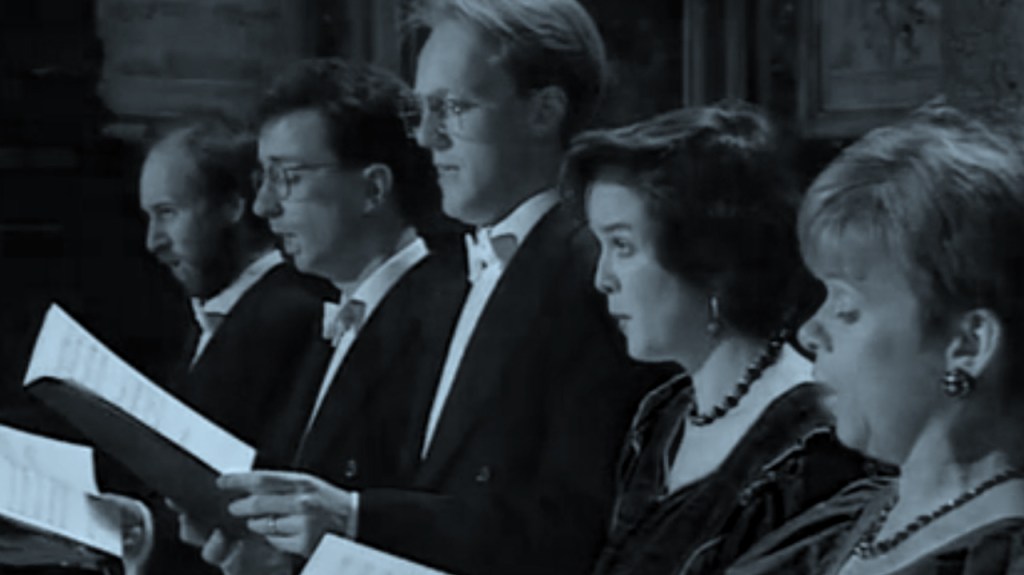
I discover this music during a trip to Vienna at the Secession museum some years ago. It was used by british artist Mark Wallinger (Turner Prize winner,2007) for his video « Threshold to the Kingdom (2000) », a slow motion video of people coming through automatic double doors at an airport (London’s international, but could be anywhere else).

The music is a 1980 recording of Gregorio Allegri’s « Miserere mei, Deus » by the famous Tallis Scholars.

Mesmerizing…

NB: « Threshold to the Kingdom » could be seen here, recorded by a fan

Corpus Circus

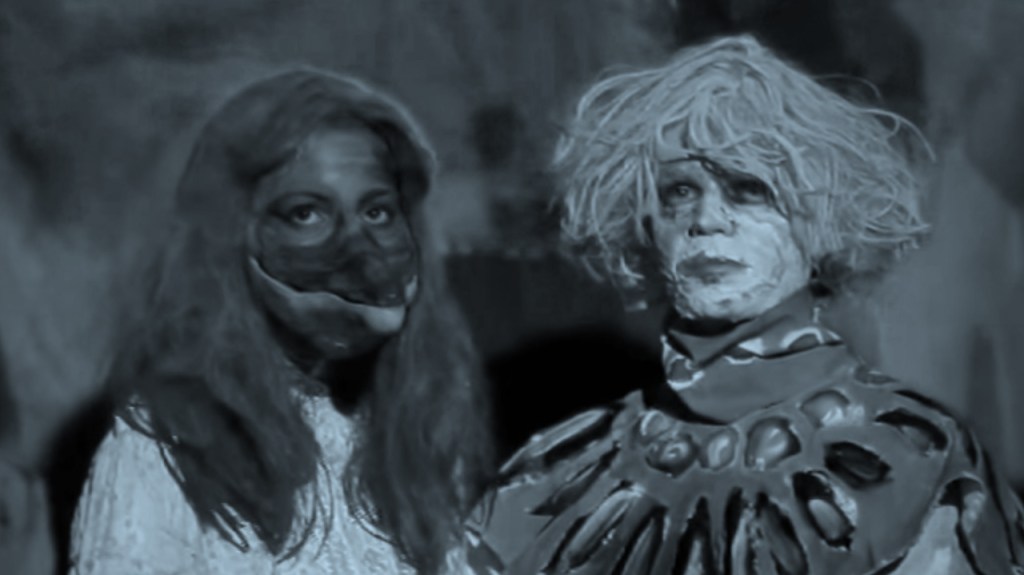
As a child, i had a painting representing a white clown in my bedroom, sometimes it seems that « he » was moving, laughing at me… This painting scared me during all my childhood.

I don’t know if everything start from that period, but as long as i remember i have always been fascinated by the circus. It’s not about the lions and tigers, nor the lovely equestrian, it’s about excessiveness. In the circus everything is exagerated, the colors screams at you, the make up is outrageous, the danger is high…

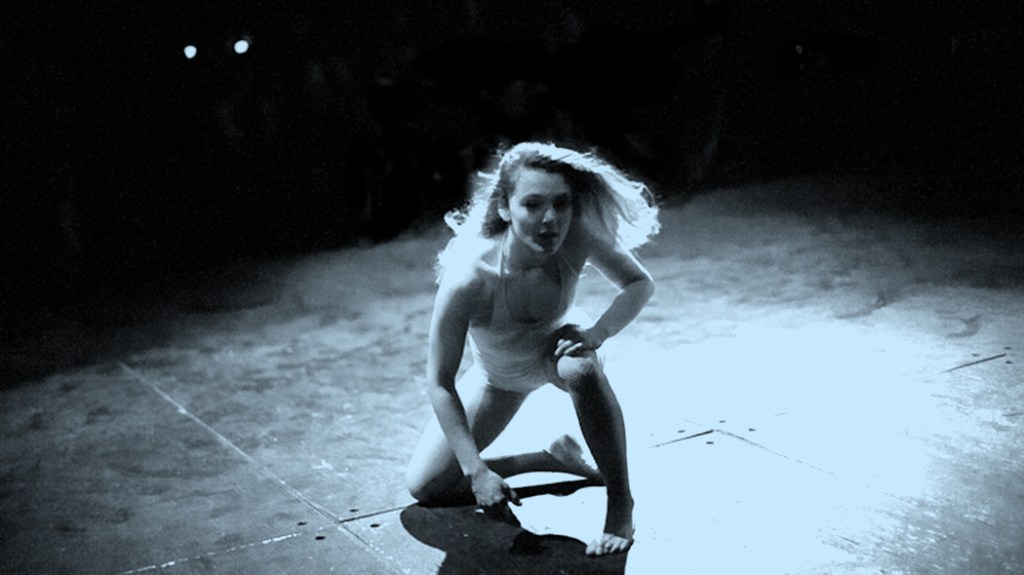
Since then the circus evolved, for exemple this pictures i took during december, are from Le Cabaret Electrique/Cirque Electrique. I had never seen such a spectacle before, special mention to the rock band that played during all the show, with a leader singing like Tom Waits.

But this little post is not about circus, nor the circus of fashion, is about the body, how it moves, jump, dance, stretches, twists, bends and lives…

cirque-electrique-1

cirque-electrique-2

cirque-electrique-3

cirque-electrique-5

cirque-electrique-4

cirque-electrique-6

cirque-electrique-7

cirque-electrique-8

On the same subject you can also read this posts:

Desy Safan-Gerard | Body conscious
Street | Vogue ball at la Ménagerie de verre
Street | Voguing, part I

Art | Ai Weiwei, never sorry

Actuellement sur les écrans est projeté Ai Weiwei: Never sorry, documentaire américain d’Alison Klayman. L’occasion de découvrir un artiste complexe, aux multiples facettes.

Il n’a pas le parcours classique des autres artistes émergents des années 2000 de la scène chinoise, il n’a pas fait les beaux-arts de Pékin. Ai Weiwei est un autodidacte issu de l’aristocratie rouge, ce qui lui a permis d’avoir accès à un certain nombre d’informations avant de partir à New-York au début des années 80 où il sera étudiant à la Parsons.

Artiste, activiste et homme d’affaires, même s’il reste assez marginal en Chine, Ai Wei Wei est représentatif de notre époque en cela qu’il a compris le pouvoir des images et des réseaux sociaux (600 millions d’internautes en Chine, 400 millions d’utilisateurs de Weibo, le twitter local) et n’hésite pas à les utiliser abondamment.

ai-weiwei-2

Mais on ne peut comprendre Ai Weiwei et sa révolte, sans connaître le parcours de son père qui avait, lui-même, des démêlés avec le pouvoir totalitaire. Il fut déporté avec d’autres intellectuels en 1956.

Ai Weiwei est lui aussi en lutte contre le pouvoir centralisateur chinois. Mais lui compose en permanence, ce n’est pas un idéologue. Il n’hésitera pas à participer au projet architectural gigantesque des Jeux Olympiques (symbole du couronnement du pouvoir), mais se retirera avant la fin.
Puis on le retrouvera très engagé dans l’affaire de la tragédie des enfants de la région de Sichuan.

Cette attitude aurait été inimaginable dans les années 50 et ses détracteurs en profitent pour dire que la seule « existence » d’Ai Weiwei prouve que la Chine à changé.

Mais de quel changement s’agit-il? Ai Weiwei évolue tel un « électron libre » au sein d’une société qui n’accepte pas les trublions. Arrêté en avril 2011 et mis au silence pendant plusieurs semaines, il en ressortira très affecté. Le régime ne peut cependant pas le réduire au silence, Ai Wei Wei est soutenu par tous les musées internationaux (Guggenheim, Tate gallery) et a un réel impact sur une jeunesse intellectuelle et connectée.

ai-wei-wei-1
Scène incroyable, témoin d’une société inadaptée à la nouvelle donne. Un policier filme les preuves des agissements « coupables » d’Ai Weiwei tout en étant lui-même filmé par le partisans d’Ai Weiwei…

La Chine, deuxième économie mondiale, est une société « neuve » encore incapable de trouver tous ses codes. Immense pays dont le système autoritaire est inadapté aux nouvelles conditions qui permettent, justement, de le court-circuiter.

Délicat équilibre…

Ai Weiwei, l’artiste, n’est pas comme ses homologues chinois tombé dans le rang des artistes contemporains « bankables » et qui se contentent de profiter du système sans rien dire. Lui aussi bénéficie d’une côte élevée et en profite bien entendu, tout en conservant son âme anarchisante.
Il perpétue son art de la provocation et « appuie là où sa fait mal » tout en évitant d’être récupéré par le système, de perdre sa raison d’être d’agitateur, ce qui serait pour lui la pire chose qui pourrait lui arriver. Funambule.

ai-wei-wei-3


Ai Weiwei, Never sorry
(1h 31min)
Documentaire, américain
Réalisé par Alison Klayman
Avec Ai Weiwei, Chen Danqing, Changwei Gu…


PFW | Peachoo + Krejberg, duality

Peachoo+Krejberg-19

Peachoo + Krejberg, summer spring 2013 collection is based upon contrast, as the origin of the two designers: Peachoo Datwani is born in India and Roy Krejberg is born in Denmark.

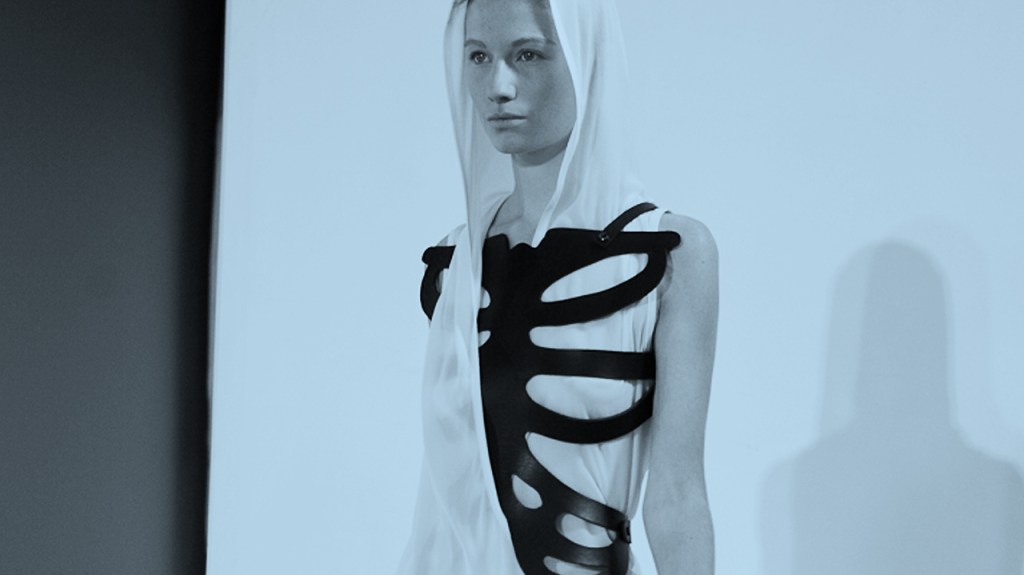
Contrast again with this black and white collection, the couture technique that mix handcraft making with modern cutting, a skeleton plastron that is shown upon the body or heavy leathers worn with delicate laces. The prints are well balanced between a zebra-exotic thing and an urban drawing.

The fluid silhouette is very contemporary and wearable, the type of garments you would like to see more often in the streets.

Contrast is like duality. Duality is like complementarity.

Peachoo+Krejberg-1

Peachoo+Krejberg-2

Peachoo+Krejberg-3

Peachoo+Krejberg-4

Peachoo+Krejberg-5

Peachoo+Krejberg-6

Peachoo+Krejberg-7

Peachoo+Krejberg-8

Peachoo+Krejberg-9

Peachoo+Krejberg-10

Peachoo+Krejberg-11

Peachoo+Krejberg-12

Peachoo+Krejberg-13

Peachoo+Krejberg-14

Peachoo+Krejberg-15

Peachoo+Krejberg-16

Peachoo+Krejberg-17

The duo made a beautiful and non-annoying work with the embroideries.

Peachoo+Krejberg-20

Peachoo+Krejberg-21

Peachoo+Krejberg-22

Peachoo+Krejberg-23

Live | Crystal Castles at Le Trianon, Paris
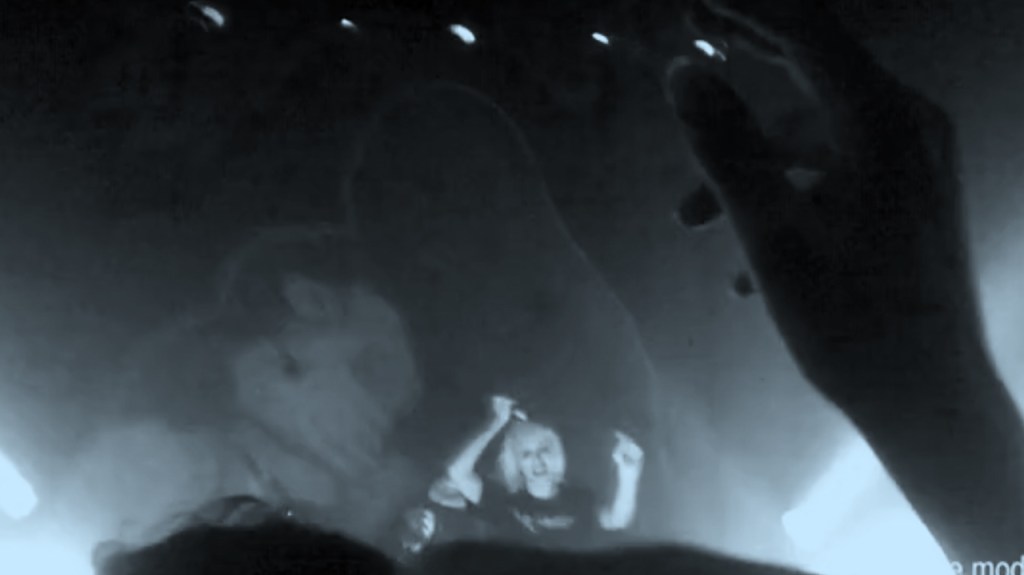
After having seeing them seven times, i have to admit that going to Crystal Castles show is always the same… The stage is plunged into darkness, no lights for the musicians except the stroboscopes that helps creates the electro-trance atmosphere.

During one hour Ethan Kath, the man in the shadow, play the electro-low-fi-punk music as Alice Glass is screaming and throwing herself into the crowd, it’s a performance.

Radical

Three untitled albums later, the music is darker than ever and the band seem to have no plans and no compromises, no desire of being glamour like many other bands.

« Music and lights », the « shitty » video below… (you spend more time fighting in the pit, than seeing the show…)

Street | Voguing, part II


Here is the following of the article about voguing proposed by my friend Karolina Brock, read the first part here

This is the in every ball there are many different categories to compete in. A part from the dance formes like « Old way », « New way » and « Fem Vogue » for example, there are different types of Runway categories: Realness, Female figure and All American to name a few.

The categories

Within Realness there are different themes to compete in from « business man » to « school boy » and « supermodel ». When you enter the Realness category you are not just supposed to imitate a persona you are supposed to be it, an act that put your interpretation skills and sense of style to the test.

For a couple of minutes on the catwalk back in the underground scene during the 80ies this was an important part of the scene since one could be a part of a life that was unaccessible outside the doors of the ball. If needed clothes and outfits that were too expensive to buy were stolen.

The houses

The « houses » within the community became the new families of young gay guys who sometimes were homeless and cut off from their original families. The « father » and the « mother » of each house guided their « children » in life as well as in voguing battles where they competed in the name of the house.

House of Labeija, House of Yves Saint Laurent, House of Extravaganza, the houses were inspired by the big fashion houses. The balls, the community and the houses still exist. The scene has expanded and opened up and it is not seen only as a gay community scene today.

Trained dancers all over the world are becoming part of the scene and compete, at least in the bigger balls.

Willi Ninja and the House of Ninja

There are many great names to be remembered. One of them is Willi Ninja the founder and the original « mother » of the The Legendary House of Ninja, who died in the suits of AIDS in 2006. Willi was a naturally talented dancer and wanted to reach out beyond the community and spread and develope voguing as a dance and art form, which he also did.

His name was recognized by media and Voguing was featured in collaboration with TV, fashion and music. Today members of The Legendary House of Ninja, as well as members from other houses, are travelling the world within the dance scene spreading the knowledge of the dance and recruting members in different countries.

voguing-karolina-brock-5

Going to a voguing club or ball today the scene is still dominated by a gay and transexual crowd. Last time I went to a more underground ball someone asked me if I was « real ». Me and my girlfriend were the only « real » girls there but the place was full of beautiful women along with gay guys and very masculin thugs.

To the rythm of the MC’s almost monotonic way of repeting words and expressions the voguing dancers throw themselves out on the dancefloor with a diva-like confidence. It is all about outshining your component and giving shade*. As Benny Ninja, the present « father » of The Legendary House of Ninja, once said to me, voguing is making the music three dimensional. As a voguing dancer on that dance floor you love and accept what you got and then you work it.

* To give shade is an attitude which is a diva-like-way of showing your superiorness. Almost like saying « I don’t have to tell you you’re ugly cause you already know you’re ugly ».

Links
For more pictures go to Plazavkinna

A tips from my Old way voguing teacher, Cesar Valentino:

An upcoming star, Javier Ninja, part of a younger generation of The Legendary House of Ninja and has been dancing with Madonna:

Paris is burning is probably the most famous documentury about Voguing.

Also read Voguing and the house ballroom scene of NYC 1989-92


Thank you to amazing dancer and friend Anna Ninja-the fact checker.


Texts and photos by Karolina Brock

More infos on Karolina Brock here